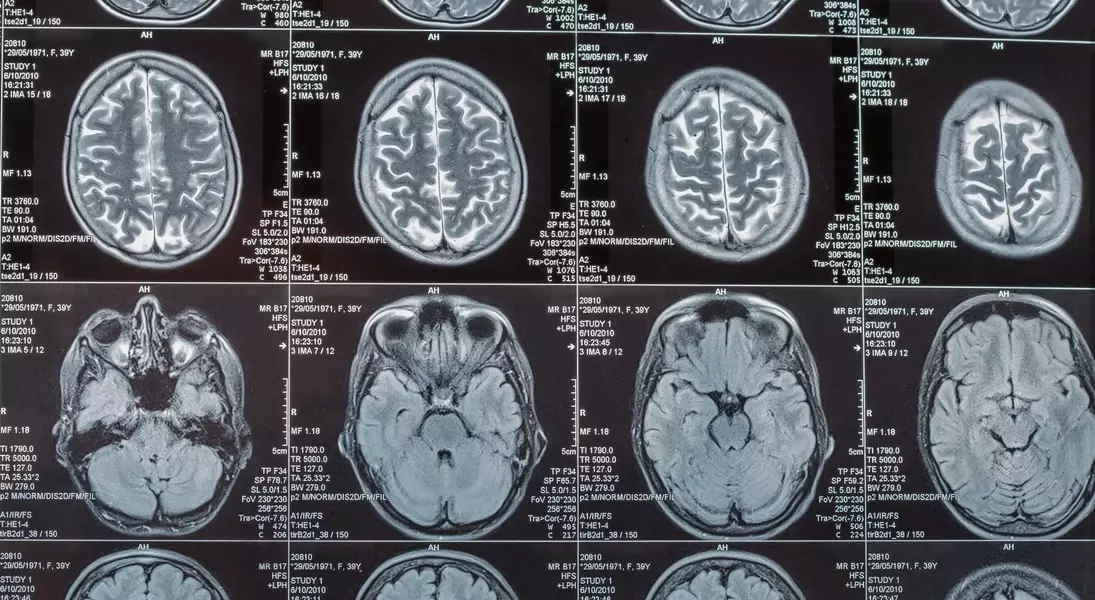
A comprehensive research resource has shed new light on Alzheimer's disease, revealing how changes in key biomarkers and brain structures are linked to cognitive health. This extensive dataset, encompassing over 6,000 brain scans, offers scientists a unique opportunity to explore the disease's progression from healthy aging to its symptomatic stages.
Large-Scale Brain Imaging Study Uncovers Alzheimer's Early Markers
In a significant development for Alzheimer's research, a new study introduces the Knight Alzheimer Research Imaging (KARI) dataset, a monumental collection of neuroimaging data. This resource, detailed in Nature Communications, comprises 6,217 brain scans from 1,645 participants aged 42 to 97. The participants range from individuals with healthy cognitive function to those with preclinical and symptomatic Alzheimer's. The data, collected over more than 15 years at Washington University in St. Louis, includes structural, functional, and diffusion MRI scans, as well as PET imaging for amyloid and tau proteins. These imaging data are complemented by extensive clinical and cognitive assessments, genetic information, and fluid biomarkers, providing a holistic view of brain aging and disease progression.
The study specifically focused on identifying the earliest brain changes associated with Alzheimer's. Researchers analyzed the relationships between imaging biomarkers and cognitive performance, using the Knight Preclinical Alzheimer Cognitive Composite (Knight PACC) to assess cognitive health. The findings indicated a clear correlation: greater cortical thickness was associated with superior cognitive performance, while higher burdens of amyloid and tau proteins correlated with poorer cognitive outcomes. These associations persisted even after adjusting for demographic and genetic factors.
Furthermore, the dataset allowed for an in-depth examination of how brain imaging markers vary with clinical impairment and age. Cortical signature, a measure of cortical thickness, decreased with both increasing age and higher Clinical Dementia Rating (CDR) scores. Similarly, amyloid and tau burdens increased with age and the severity of cognitive impairment. The study also explored white matter hyperintensities (WMH), indicators of vascular and mixed brain pathology, which were found to increase with age and impairment. This multimodal approach highlights the dataset's potential to distinguish between healthy aging and the subtle early signs of preclinical Alzheimer's.
The KARI dataset's longitudinal nature is a crucial strength, enabling researchers to track individual trajectories of disease progression over time rather than relying solely on single-point comparisons. This allows for a deeper understanding of how various Alzheimer's components and biomarkers evolve and interact. While the cohort predominantly consists of highly educated, White individuals, which may limit generalizability, the dataset remains an invaluable tool for generating hypotheses, validating biomarkers, and refining disease models. Future research will aim to confirm these findings in more diverse populations to ensure broader applicability.
This comprehensive dataset represents a pivotal step forward in Alzheimer's research. By meticulously tracking brain changes and cognitive function over extended periods, scientists are better equipped to understand the disease's origins and progression. The insights gained from the KARI dataset offer hope for developing earlier diagnostic methods and more effective interventions, ultimately improving the lives of those affected by this devastating condition. The ongoing analysis of this rich data promises to unlock new avenues for therapeutic development and personalized treatment strategies.