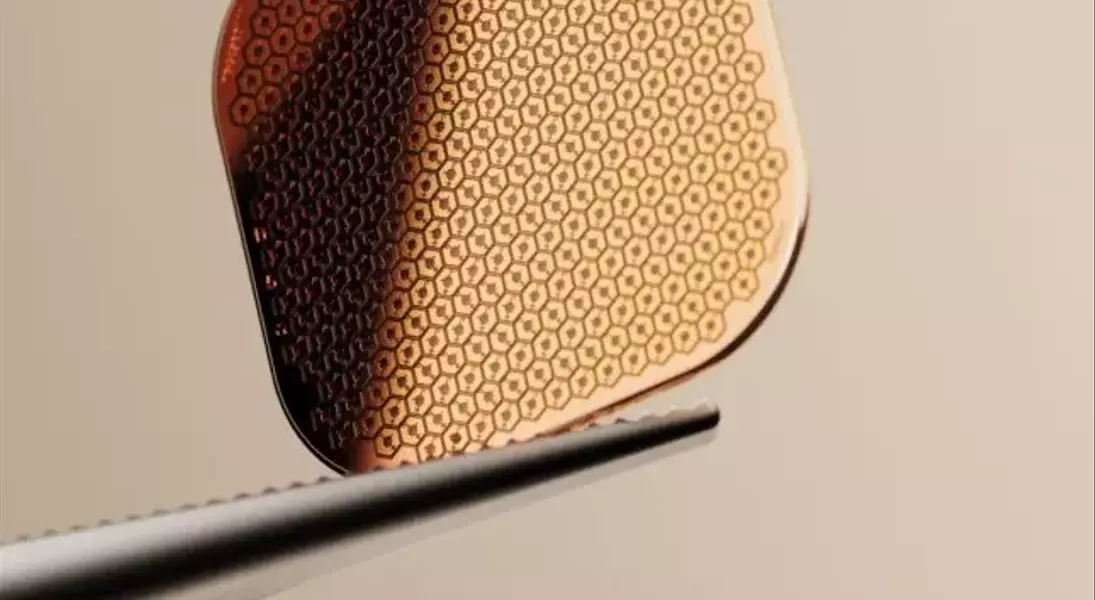
A novel medical device capable of partially restoring sight for individuals suffering from vision loss is now accessible in Europe, with its introduction to the American market potentially just a few years away. Science Corporation recently announced the European regulatory clearance for its advanced retinal implant. This device is specifically engineered to enhance the central vision of patients afflicted with age-related macular degeneration, a condition that severely impairs their ability to perform daily tasks like reading and identifying distant objects. The company’s CEO, Max Hodak, drew a parallel to auditory prosthetics, remarking that this innovation represents a “cochlear implant for vision.”
This significant development offers renewed optimism for those impacted by age-related macular degeneration. The retinal implant works by addressing the degeneration of central vision, which is crucial for detailed tasks. By improving visual acuity to a degree that allows for clearer perception of text and street signs, the device promises to markedly enhance the quality of life for its users. The European approval signals a crucial step in making this technology widely available, underscoring its potential to transform how partial vision loss is managed.
The successful launch and adoption of this retinal implant in Europe pave the way for its eventual availability in the United States. With a projected US market entry in 2027, the Science Corporation’s innovation is poised to bring substantial relief to a broader patient population. This advancement exemplifies the relentless pursuit of medical science to overcome challenging health conditions, reinforcing the idea that cutting-edge technology can profoundly improve human well-being and independence.