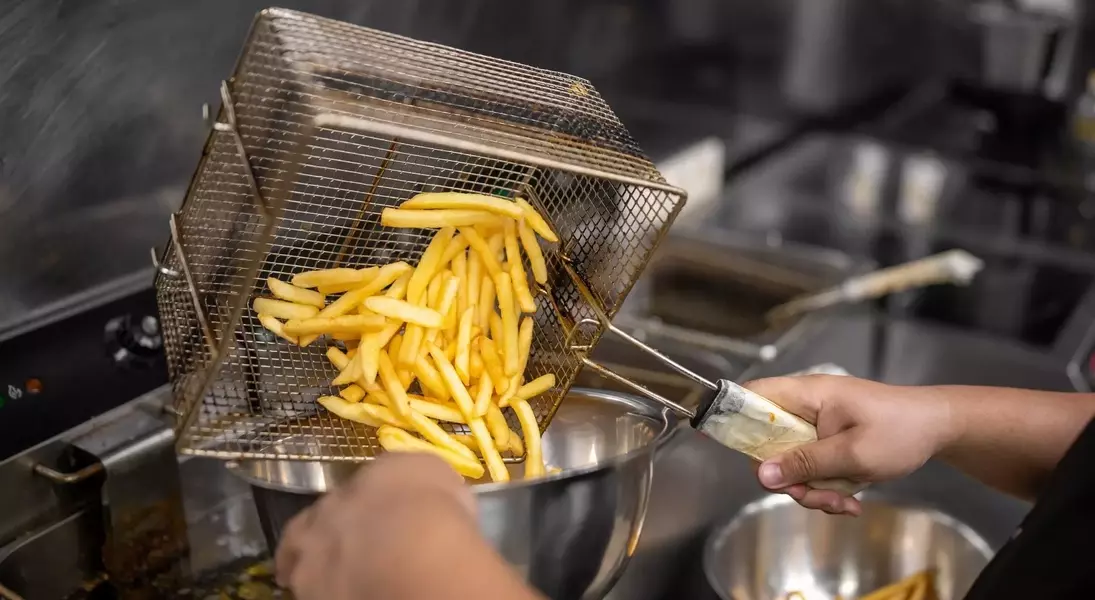
For individuals with celiac disease, shared deep fryers have long been considered a significant source of gluten cross-contamination, leading to broad recommendations to avoid foods prepared in them. However, a recent investigation published in Nutrients presents findings that could reshape current dietary advice, indicating that many items from shared fryers might not pose the high risk previously thought.
The study, which examined French fries and tortilla chips from various food service establishments, revealed that the majority of samples had gluten levels below the 20 parts per million (ppm) limit set by the U.S. Food and Drug Administration (FDA) for 'gluten-free' labeling. This suggests that while caution is always warranted, a blanket avoidance policy for all shared-fryer foods might be overly restrictive and could unnecessarily limit food choices for celiac patients.
The research, conducted across 14 U.S. states between September 2025 and January 2026, involved collecting and analyzing 98 food samples—55 French fries and 43 tortilla chips—from a diverse range of restaurants, including fast-food chains, casual dining venues, and fine dining establishments. The goal was to gather real-world data on gluten transfer in shared fryers, moving beyond theoretical assumptions and laboratory simulations. Gluten concentrations were determined using an enzyme-linked immunosorbent assay (ELISA), with the results categorized into three groups: less than 5 ppm, between 5 and less than 20 ppm, and 20 ppm or higher. This allowed researchers to assess the actual levels of gluten present and their potential implications for dietary exposure.
The findings showed that a significant portion of the samples, approximately 86%, contained minimal or no quantifiable gluten, falling below the 5 ppm threshold. Only six out of the 98 samples exceeded the 20 ppm regulatory limit, with these higher levels exclusively found in French fries. Notably, all tortilla chip samples registered below the limit of quantification. This disparity between food types indicates that the risk of cross-contamination might vary depending on the product. Furthermore, the frequency of fryer oil changes emerged as a critical factor: establishments that reported daily oil changes had no samples exceeding the 20 ppm threshold, a statistically significant difference compared to those with weekly or unknown oil change frequencies. These insights suggest that diligent kitchen practices can play a substantial role in mitigating gluten transfer.
The study's results highlight the complexity of managing celiac disease in real-world settings and call for a more individualized approach to dietary guidance. While maintaining a strict gluten-free diet is essential for preventing intestinal damage, overly cautious advice can lead to increased dietary anxiety and reduced quality of life. The authors advocate for an evidence-informed perspective that considers not just the presence of gluten, but also its concentration, portion size, and frequency of consumption, as well as individual susceptibility. This nuanced understanding can empower clinicians and dietitians to provide more balanced advice, helping patients navigate food choices with greater confidence and less restriction.